

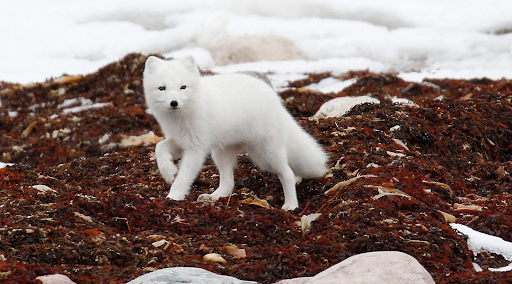
It is widely known that climate change is triggering a series of events, such as wildfires, droughts, heatwaves, and floods, which ultimately affects animal biodiversity more than people think.
Climate change has been increasing at an abnormally fast rate. According to the World Meteorological Organization, in 2020, the global mean temperature was 1.28 °C. The most recent record, 2024, the global mean temperature was 1.6 °C. This is approximately a 0.32 °C change in the global mean temperature. The increase is very crucial because, as stated on The Royal Society News, rising global temperatures can alter ecosystems, which impacts a variety of animal life.
Unfortunately, there has already been an animal extinction confirmed to be directly related to climate change. As shown on IFaw, a rodent named the Bramble Cay mosaic-tailed rat, or the Bramble Cay melomys, went extinct because of the rising sea levels damaging their habitat. Although this is the first mammal to reach this point, there are many more animals on this same path, such as whales. According to Earthday, whales are in danger as they are known to rely on specific sea temperatures, but the sea temperatures are changing drastically, affecting their survival rates.
The slow loss of biodiversity is hurting our planet because of how essential it is to Earth. This is evident as IFaw states, “It has taken millions of years for Earth to arrive at the ecosystems we see around us in 2025, and without this biodiversity, life would be unable to thrive”. Some good examples of this are whales and bees. Bees pollinate flowers to create a stronger and better supply of vegetables, nuts, and fruits, and without bees, there would be a significantly shorter supply of these items. On the other hand, whales contribute to carbon cycling by consuming prey with large amounts of carbon, then exhaling the carbon dioxide back into the atmosphere. Without whales, there would be little amounts of carbon storage and could possibly make it hard for the Earth’s global temperature to regulate without freezing.
As individuals, we can protect biodiversity from climate change in many ways. Some ways a person can help are recycling, people can minimize the amount of products many buy that affect biodiversity, and people can invest in many organizations that promote biodiversity.
Overall, climate change has affected our biodiversity a lot, and will continue to do so. As long as people continue to help with this problem in any way possible, it would be helpful to minimize the permanent effects of this problem.


