

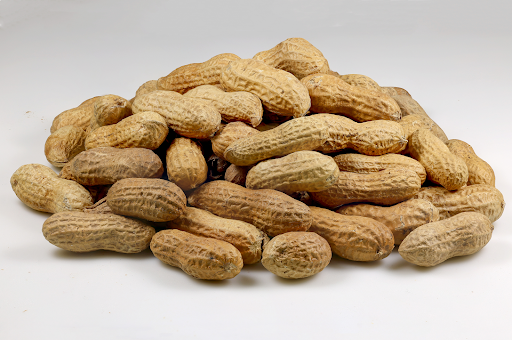
Peanuts, whether from a convenience store or carnival, are a great and healthy snack, but for a few people they can be deadly. Cleveland Clinic reports that when someone gets an allergic reaction, their body tries to defend itself from the allergen, thinking that it might hurt them. Allergies can keep someone from eating things, touching things, or even prevent people from going near them.
Peanut allergies are one of the most common allergies. Before 2015, it was common practice for parents to try to prevent this allergy. One study done in 2000 found that parents should start giving their children peanuts when they turn three years old to prevent a developing peanut allergy. However, a more recent study contradicted this in 2015, led by Gideon Lack. It put 640 infants into an experiment where they either ate or avoided peanuts until they were five years old. The evidence found showed that the suggested age to start giving children peanuts is anywhere between four and 11 months. Doing this reduced the possibility of getting peanut allergies by 80%. At one point, the population of people with peanut allergies in the U.S. grew to 3% of the population, but thanks to new methods it has gone down to 1.3%.
In 2017, the National Institute of Health accepted Lack’s study and published the results. This revolutionary study is believed to be able to end the peanut allergy epidemic, so it will now be in the back of many family’s minds as they have children and continue helping people grow up without allergies.


