Hibernation is defined as the condition or period of an animal in a dormant state, usually occurring during the winter. The main characteristics of hibernation include slowed metabolism, heart rate, and need for food and water. Hibernation is a commonality between animals like bears and groundhogs. It’s been known that humans aren’t a species that hibernate–at least, not until now. Scientists have unlocked a form of hibernation for humans, although it’s not a winter-long sleep, but more of a sleepy state where your bodily functions are slowed.
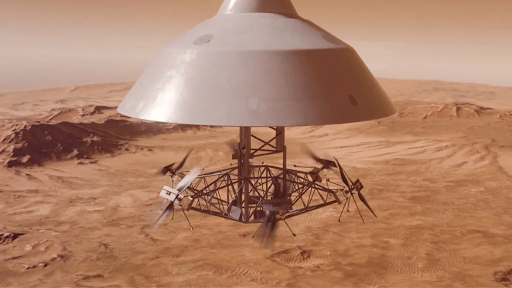
A study has been going on for years to learn if the human body can go through the state of hibernation. The study is being conducted by Clifton Callaway and funded by NASA in search of a way to further space exploration. Unlocking human hibernation would be the key to trips like the nine month long journey to Mars, or even further beyond our solar system.
Hibernation in animals is triggered by the lack of food, temperature drops, and shorter days. In humans, winter doesn’t trigger any physiological changes in our bodies. According to National Geographic, the experiment included a man who successfully went through a form of hibernation with a dosage of dexmedetomidine, which is used for sedation in the medical field. His internal temperature dropped, along with his heart rate and blood pressure. His need for food, oxygen, and metabolism reduced by 20%. This man was not sleeping though, he could still stand up to go to the bathroom, or when he was hungry, ring a bell to ask for food. The experiment showed that he was in a groggy state, although he would be able to react in emergency situations.
This is a major advancement for the science field, as it unlocks so many new opportunities. However, scientists still have lots of studies to conduct to learn exactly what this means and how to get other people into this state.